



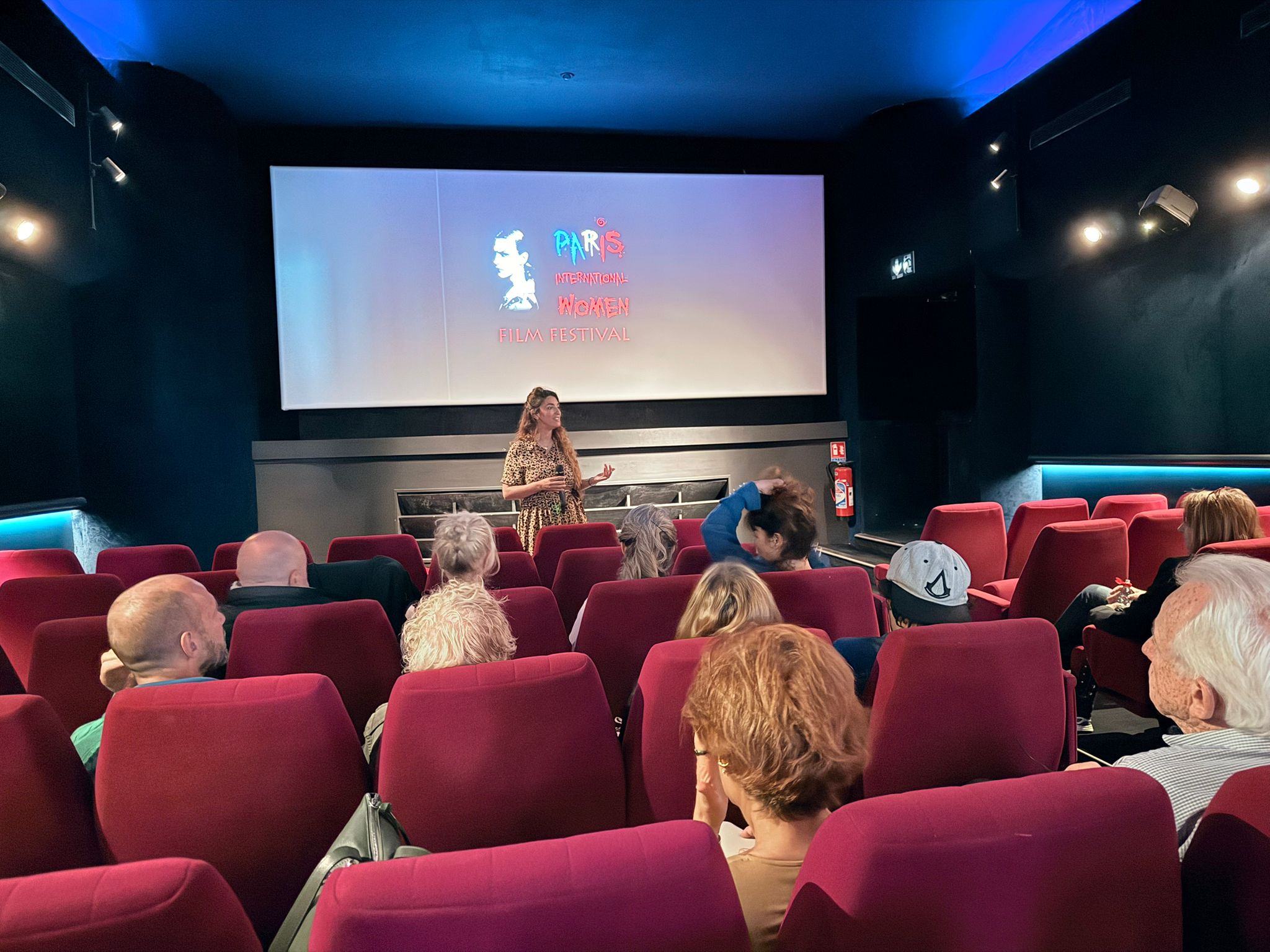
On May 8, 2026, the historic halls of Le Champo welcomed filmmakers, cinephiles, and artists from around the world for the latest edition of the Paris International Women’s Film Festival — an event dedicated not merely to showcasing films, but to creating a cinematic space where women’s perspectives could flourish with honesty, complexity, and artistic freedom.
Held in the cultural heart of Paris, the festival once again embraced its mission of amplifying female voices in cinema while welcoming filmmakers of all genders whose work demonstrates a profound engagement with women’s experiences, social realities, and emotional landscapes. Inspired by the intellectual legacy of Simone de Beauvoir and the idea that gender is shaped through culture, history, and society, the festival positioned cinema as a place of dialogue rather than division.
This year’s program reflected a remarkable diversity of styles and themes. From intimate personal dramas to daring experimental works, from documentaries rooted in social compassion to animated meditations on memory and identity, the festival offered audiences a panoramic view of contemporary independent cinema.
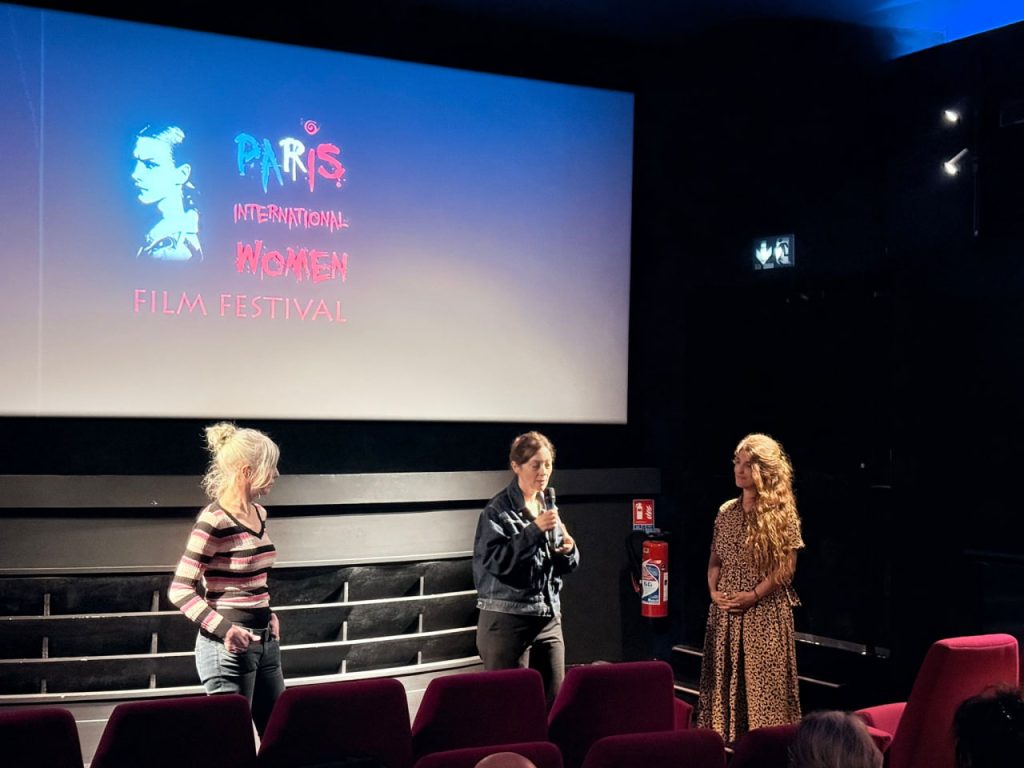
Among the standout winners was Ivanko’s Childhood, which received the award for Best Short Film. The film impressed audiences and jurors alike with its emotional depth and carefully crafted storytelling. In the category of Best First Time Filmmaker Short, ANCESTORS emerged as a powerful debut work, signaling the arrival of a promising new cinematic voice.
Experimental cinema also found a strong presence at the festival through The Testimony, winner of Best Experimental Short, a film praised for pushing formal and narrative boundaries while exploring memory and perception in unconventional ways. Meanwhile, the documentary category highlighted cinema’s ethical and humanistic potential. Meeting the Ones Who Care, winner of Best Documentary Short, stood out for its compassionate observation of individuals dedicated to acts of care and solidarity in an increasingly fragmented world.
Student filmmaking was represented through Dadda, awarded Best Student Short, while the animated category celebrated The Boat, a visually poetic work that combined technical finesse with emotional resonance.
Narrative cinema remained at the center of the festival’s identity. Le Choix d’Anna, winner of Best Drama Short, offered a sensitive exploration of personal choice and emotional responsibility, while Gan Canny, awarded Best Comedy Short, brought warmth and humor to the program without sacrificing thematic nuance.
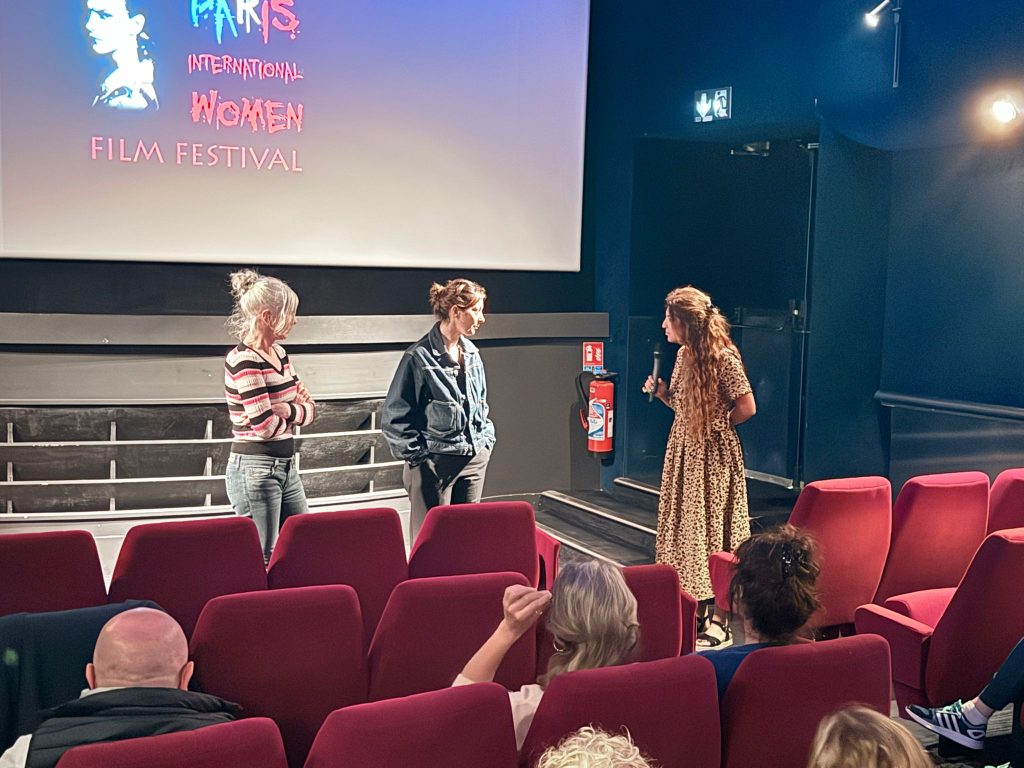
The directing categories reflected the festival’s commitment to recognizing strong artistic vision. FRECKLES received the Best Short Director award for its confident cinematic language and precise emotional rhythm. In the feature categories, Rudy won Best Feature Film, while ALJANA received Best First Time Feature, marking an important achievement for emerging long-form storytelling.
Documentary feature filmmaking also held a central place at the festival. TRAJECTORIES – Giving life without giving up on Olympus was honored as Best Feature Documentary, recognized for its human depth and observational strength. The Best Feature Director award went to You Gotta Be Kidding, a film celebrated for its distinctive directorial voice and energetic approach to storytelling.
Beyond the awards themselves, the atmosphere of the festival reflected the enduring importance of independent film culture in a time increasingly dominated by algorithms, commercial formulas, and industrial repetition. At Le Champo, conversations extended beyond the screen. Filmmakers exchanged ideas in the theater lobby, audiences debated themes late into the evening, and cinema once again became what it has always been in Paris at its best: a public encounter between art and lived experience.