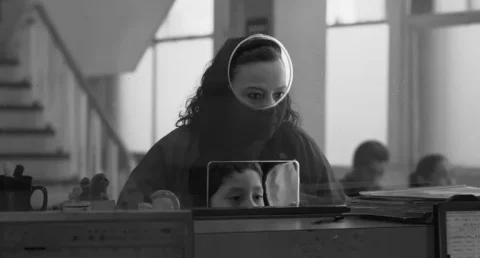
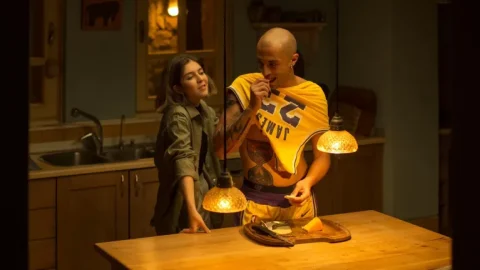
Fernando Eimbcke’s Flies explores the possibility of human transformation through an encounter with another person’s suffering. In this film, Eimbcke moves away from the familiar trope of “the grumpy, lonely
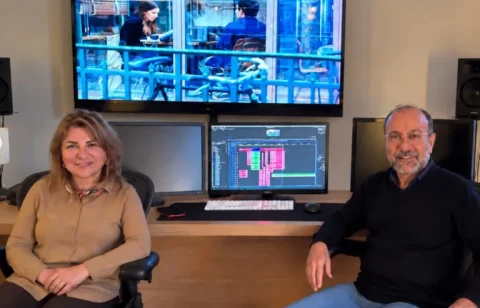
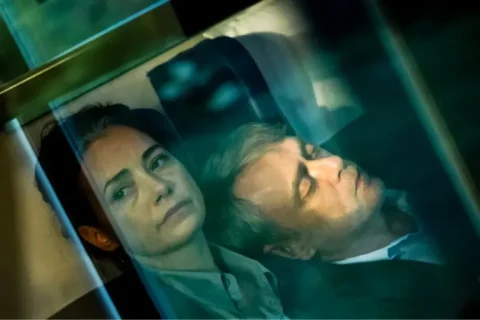
In Asghar Farhadi’s cinema, editing is not merely a stage in which filmed shots are assembled; it is part of the process of discovering the narrative. That is why Hayedeh
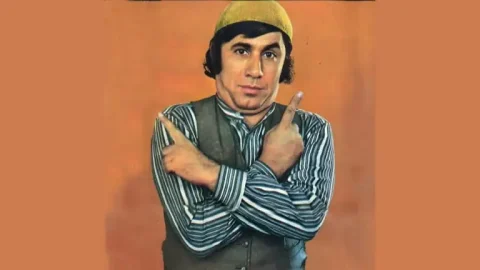
Parviz Sayyad cannot be known solely through “Samad.” Samad is the most important character of his career, but perhaps more important than Samad himself was Sayyad’s social intelligence in identifying
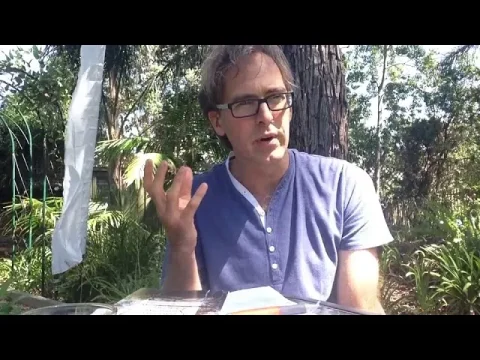
“Storytelling rights are not as widely recognized as other rights, but they are no less important.” This statement, made by David Denborough in the introduction to his Charter of Storytelling
Outcry wants to talk about women’s right to sing; about women whose voices, before they can even be heard, run up against the walls of law, convention, and power. But
At a time when Iranian society is struggling under a multitude of economic, political, cultural, and social crises, perhaps the most important question is not “Who should save society?” but
Omid Fakher Yellow Letters is less a family drama than a political drama about the cost of freedom. From its very first sequence, the film makes its position clear. Darya’s
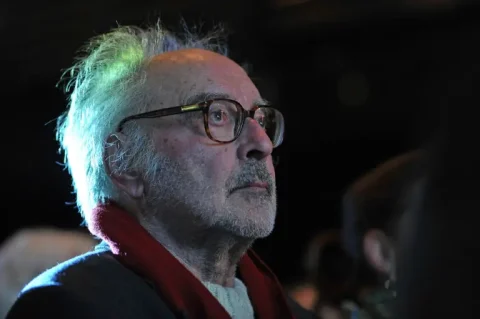
In an interview, Jean-Luc Godard once remarked: “I don’t believe in the oeuvre. There are individual works, which may be produced as separate pieces, but the oeuvre as a whole—that
Many of us carry rigid and deeply rooted value systems that we regard not only as right for ourselves, but as an absolute good for humanity as a whole. This