



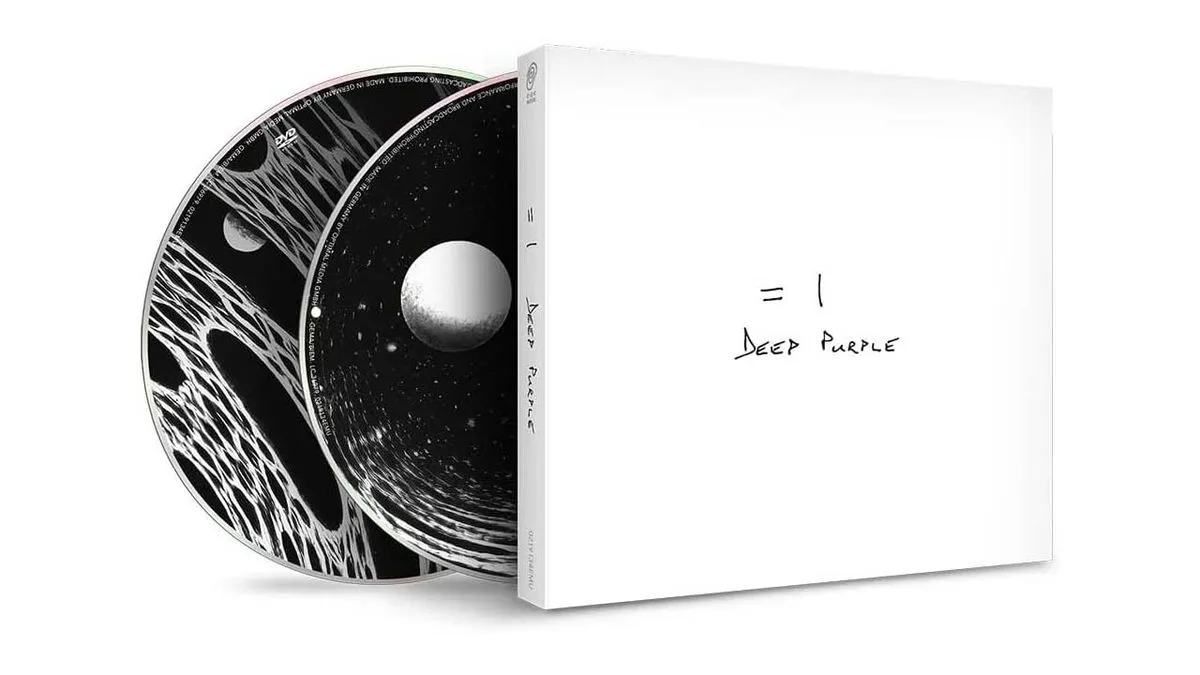
Deep Purple is undoubtedly one of the most influential bands in the history of rock music. Formed in 1968, the group played a key role in shaping the hard rock and heavy metal genres. Alongside bands like Led Zeppelin and Black Sabbath, Deep Purple became an iconic force in this genre, creating a unique style by blending blues, psychedelia, and classical influences with an aggressive edge. Their early albums, especially In Rock in 1970 and Machine Head in 1972, were instrumental in solidifying the hard rock sound of the 1970s and had a profound impact on generations of musicians, shaping the evolution of rock and metal for decades to come.
Over the years, Deep Purple has undergone numerous lineup changes, but their ability to evolve while maintaining the core of their sound has been a key factor in their longevity. From the incredible guitar playing of Ritchie Blackmore to the magnificent keyboards of Jon Lord, the band has always been defined by a high level of musical craftsmanship. This legacy continued into the 1980s and 1990s with albums like Perfect Strangers and Purpendicular, where Steve Morse brought a more advanced and technical style to the group, adding a new dimension to Deep Purple’s music.
Steve Morse’s departure was a significant moment for Deep Purple. After almost three decades with the band, Morse left due to personal reasons, particularly to care for his wife. This departure left a void that many fans wondered whether the band could fill. Simon McBride, a talented guitarist from Northern Ireland, was chosen as his replacement. McBride is known for his powerful blues style, which contrasts with Morse’s advanced and intricate playing.
As of 2024, Deep Purple continues to work powerfully despite the passing of time and inevitable lineup changes. Their 23rd studio album, =1, marks the continuation of their legacy with the new guitarist, Simon McBride. His addition has brought significant changes to both the band’s sound and overall dynamic. With over fifty years of musical experience, Deep Purple remains a significant force in the rock world, even though the challenge of maintaining creativity and connection at this stage of their career is ever-present.
As a band that has spanned across generations, Deep Purple continues to shine. While staying true to their unique sound, which includes heavy guitar riffs, cinematic keyboard playing, and Ian Gillan’s distinctive voice, their new album, =1, not only demonstrates the band’s growth but also their understanding of the current musical landscape. =1 is a product of a long and rich history, showing how a band can embrace its legacy while still pushing into new boundaries. However, this album is not just another step in their discography; it is a reflection of time, legacy, and the interaction between rock and modernity.
The collective experience and dynamic of the band are evident throughout =1. Each member brings their unique influences to the table, creating an album that feels both seasoned and fresh. Deep Purple’s ability to stay relevant without seeming as if they are trying too hard to recreate their golden years is an achievement in itself. You never get the sense that they are desperately trying to sound young or clinging to their past. Instead, they have embraced their age and time, while still proving that they have plenty of energy to offer.
From the start, Simon McBride’s integration with Deep Purple seems seamless. He doesn’t attempt to imitate Morse or Blackmore but brings his unique voice to the group. His guitar playing is simpler compared to Morse’s and focuses more on rhythm, melody, and feel rather than technical complexity. McBride has fully settled into Deep Purple and has seamlessly added his personality to the band’s musical palette. This is especially noticeable in tracks like I’ll Catch You and A Bit On The Side, where McBride’s bluesy guitar playing and smooth solos complement the band’s established sound without overshadowing it.
While Simon McBride brings a fresh energy to Deep Purple, some fans may miss the more adventurous style that Steve Morse brought to the band. McBride’s playing has less flash and complexity compared to Morse, which works well in some tracks but can create a sense of limitation in others. Nonetheless, his presence breathes new life into the band and ensures that Deep Purple continues to evolve, rather than stagnate.
Arrangement and Composition: A Blend of Classic and Modern
Musically, =1 is a blend of Deep Purple’s classic hard rock sound with modern elements that prevent the album from feeling too nostalgic. The band’s signature style (heavy riffs, powerful keyboards, and solid rhythms) still plays a prominent role, but the compositions have become simpler and more direct compared to some of their previous works. This is especially evident in McBride’s guitar playing, which focuses more on delivering strong, memorable riffs than on technical display.
Keyboardist Don Airey plays a significant role in shaping =1. Having replaced Jon Lord in 2002, Airey brings a level of complexity to the music that elevates even the simplest arrangements. His use of the Hammond organ on tracks like Old-Fangled Thing and Sharp Shooter adds a rich, textured layer to the music, evoking the early days of Deep Purple while still feeling fresh and modern. Airey’s prominent keyboards are just as important to the sound of =1 as Jon Lord’s were in the past. While Airey’s playing may be less flamboyant than Lord’s, it is no less impactful and adds a unique nuance and coloring to the album.
The rhythm section – Roger Glover on bass and Ian Paice on drums – remains as strong as ever. Glover’s bass lines are solid and rich with groove, providing a perfect foundation for McBride’s riffs and Airey’s melodic flourishes. Paice’s drumming is precise and energetic, pushing the songs forward with a strong sense of drive that belies his age. Together, Glover and Paice form a dynamic yet straightforward rhythm section that allows the other band members to shine without overshadowing them.
Track-by-Track Review of Album =1
- “Show Me”
“Show Me” kicks off the album with a bold, heavy riff in Drop D tuning, which is a surprise for many fans who know Deep Purple for their more traditional rock tunings. The structure of this track is relatively simple, with a driving bassline pushing the song forward. Simon McBride shines here, delivering strong, bluesy solos that complement the song’s structure perfectly. Don Airey’s keyboards also add a layer of complexity to the track, which would otherwise be a straightforward rock song. One critic noted, “There really isn’t much to say about this song… but that isn’t a negative.” While this track makes a strong start to the album, it doesn’t fully showcase the adventurous spirit that Deep Purple is famous for.
- “A Bit On The Side”
With a riff inspired by Guns N’ Roses, “A Bit On The Side” brings a wilder energy to the album. Simon McBride’s use of the guitar whammy bar adds a dynamic element to the track, while Don Airey’s keyboard solo injects a sense of fun and unpredictability. Lyrically, the song feels a bit weak, and the constant repetition of the name “Sharlene” detracts from its overall impact. Perhaps given how often “Sharlene” is mentioned, it would have been better if the band had used this name as the title of the song.
- “Sharp Shooter”
“Sharp Shooter” takes us back to mid-70s hard rock, a style that Deep Purple pioneered. The main riff is reminiscent of Judas Priest’s “Revolution,” giving the track a classic rock feel. McBride and Airey once again engage in a guitar-keyboard duel, both musicians pushing each other to new heights. However, the song is marred by the inclusion of doo-wop-style backing vocals, which feel out of place and detract from the overall hard rock vibe of the track. Nonetheless, McBride’s fiery solo and Airey’s creative keyboard work save the day.
- “Portable Door”
For me, “Portable Door” sets the tone for what listeners can expect from “=1.” The track is instantly catchy, with a riff that grabs the listener’s attention right away. McBride’s guitar playing is sharp and precise, while Airey’s keyboards provide a rich backdrop that elevates the song. Ian Gillan’s voice, while showing signs of age, still carries the same charm that has defined his career. A prominent critic hailed this track as “one of the strongest songs on the album… still amazing, still incredible.” Its high energy and memorable chorus make it one of the standout moments of the album.
- “Old-Fangled Thing”
“Old-Fangled Thing” is a nostalgic track that seems to pay tribute to Deep Purple’s early works. Its riff is firmly in the classic hard rock style, and the interaction between McBride and Glover is strong and striking. Airey’s keyboards add a rich layer to the track, but the song feels somewhat uninspired lyrically. The lyrics are pretty shallow, especially considering some of the phrases used. Despite the lyrical weaknesses, the instrumental performances on this track are superb.
- “If I Were You”
The first ballad of the album, “If I Were You,” introduces a fresh change in the album’s pace. The song’s atmosphere is contemplative, and Airey creates a mournful, heavy vibe. McBride’s guitar solo is one of the best on the album, showcasing his ability to blend emotion with technical precision. The track also highlights the Hammond organ’s roar and some very clever bass and guitar lines. While the lyrics are a bit predictable, focusing on common themes of love and loss, the song’s arrangement and emotional depth make it one of the album’s most memorable tracks.
- “Pictures of You”
“Pictures of You” is another strong track on the album “=1.” The song’s memorable chord-based riff is accompanied by McBride’s harmonized guitar solo, adding a layer of sophistication to the track. The song’s ending shifts into a more atmospheric, spacey section, with Airey’s keyboards enhancing the sense of depth and mystery. However, the lyrics seem a bit off; they come across as somewhat mismatched and disjointed. Despite this, the energy of the song and its memorable chorus make it enjoyable.
- “I’m Saying Nothin’”
With an aggressive blues rock riff and a lively rhythm section, “I’m Saying Nothin’” is one of the hidden gems of the album. The key changes and dynamic shifts keep the listener engaged, and the solo section between McBride and Airey is one of the best parts of the album. This could have been a straightforward blues rock song, but the band keeps it fresh with key changes and unexpected sections. The energy and unpredictability of the track are its highlights.
- “Lazy Sod”
“Lazy Sod” is one of the standout tracks on “=1.” The sharp, biting riff is reminiscent of Ritchie Blackmore’s work on Deep Purple’s early albums. Gillan’s lyrics, inspired by the fact that Dolly Parton has written over five thousand songs while Gillan himself has only written five hundred, give the track a humorous, lighthearted vibe. This song could be described as “a high-energy, fun, and meaningless track” that perfectly showcases the band’s sense of humor. The song’s energy, attitude, and confidence quickly make it one of the fan favorites, with McBride and Airey delivering some of their best performances on the album.
- “Now You’re Talkin’”
“Now You’re Talkin’” starts with a wave-like movement from the guitar whammy bar before settling into a riff reminiscent of Deep Purple’s Perfect Strangers era. This track features one of McBride’s best solos on the album, where he blends his hard rock style with more advanced elements that hint at Steve Morse’s influence. However, Gillan’s sudden, out-of-place shout in the second verse somewhat negatively impacts the song, creating an awkward imbalance. Still, it is a solid entry on the album, filled with musical complexity that keeps the listeners captivated.
- “No Money To Burn”
This is a mid-tempo blues rock song that, compared to the rest of the album, doesn’t stand out much. The riff is solid but lacks the distinctive charm that defines the album’s stronger tracks. The solo section, which features McBride’s guitar and Airey’s Hammond organ, is a highlight, but overall, the track feels somewhat forgettable.
- “I’ll Catch You”
The second ballad of the album, “I’ll Catch You,” provides a break from the heavier tracks and showcases a more emotional side of Deep Purple. Gillan’s vocal delivery is heartfelt, and McBride’s guitar solo is one of the most emotional moments of the album. Airey’s subtle keyboard work creates a reflective, atmospheric space, making this track one of the gentler, more understated pieces on the album. It is a relatively calm and delicate song with many layers to explore and enjoy. The more you listen to it, the more it reveals its depth, showcasing the band’s range and versatility.
- “Bleeding Obvious”
The closing track of the album, “Bleeding Obvious,” is the longest and most complex song on “=1.” At almost six minutes, this track includes various instrumental sections that showcase each band member’s technical skill. McBride’s guitar work is particularly impressive, blending elements of progressive rock, metal, and blues. The track’s complex structure and dynamic shifts make it one of the most ambitious pieces on the album. The entire song keeps surprising you at every moment and almost ventures into progressive rock territory. It’s a fitting conclusion to an album that tries to push Deep Purple’s sound forward while still paying tribute to their roots.
Conclusion: A Balanced Album, But Not Flawless
The album “=1” by Deep Purple is a solid addition to their discography, showcasing that the band is still capable of delivering strong and memorable rock songs despite the passing of time. Simon McBride’s integration into the band is very evident, and his contributions have breathed new life into Deep Purple’s sound. Don Airey, Roger Glover, and Ian Paice continue to stand together as a tight and dependable rhythm section, while Ian Gillan challenges the limitations of aging, delivering a powerful and nuanced vocal performance.
However, the album is not without its flaws. Some tracks feel emotionally repetitive, and some lyrical choices could use improvement. The use of doo-wop harmonies in “Sharp Shooter” and some awkward lyrical moments in certain sections detract from the overall impact of some songs. Despite these shortcomings, “=1” demonstrates that Deep Purple remains a force that should not be overlooked in the world of rock. For long-time fans, the album offers plenty of moments that recall the band’s heyday, and for new listeners, it serves as a reminder of why Deep Purple continues to be one of the most influential rock bands in history.
Final Rating: 8/10
Although “=1” may not reach the heights of Deep Purple’s classic albums, it is a bold and ambitious statement from a band that refuses to be forgotten. Despite a few missteps, this album showcases a group of musicians who are still evolving and pushing the boundaries of their sound, even as they approach the end of their career.