



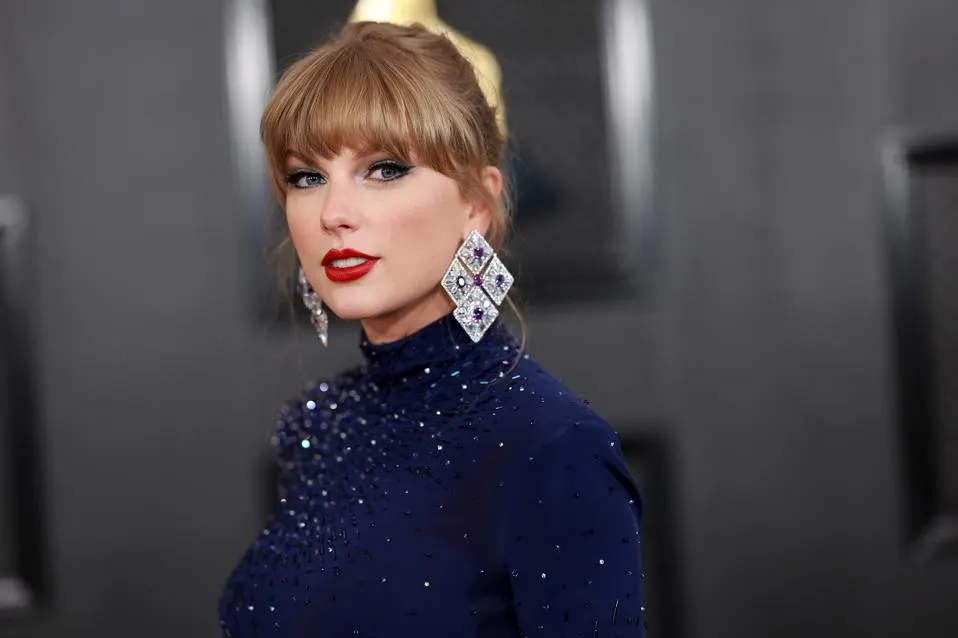
The rapid rise of Taylor Swift to the top of the music industry is a complex phenomenon. A phenomenon that requires analysis from various perspectives. While her success is undeniable, it is crucial to critically examine the factors influencing her popularity and the critiques that accompany it. This analysis looks into the strengths and weaknesses of Swift and raises the question of whether she truly deserves to be the idol of the new generation of music or if her fame is, to some extent, a product of clever marketing and hidden strategies.
Psychological Perspectives
Empathy and Emotional Impact: A Double-Edged Sword
One of the main reasons for Taylor Swift’s popularity is her ability to create music that resonates emotionally and is relatable. However, critics argue that this relatability can sometimes come across as formulaic and pre-determined. Swift’s lyrics, despite their accessibility, are often criticized for their simplicity and repetition of themes like love and heartbreak. This predictability raises questions about the depth and authenticity of her songwriting.
From a psychological standpoint, the emotional impact that makes Swift’s music resonate with her fans can be seen as a form of manipulation. By consistently tapping into common emotions, Swift creates a sense of intimacy that is highly effective, but for some listeners, it may come across as calculated and less genuine.
Narrative Identity: Authentic or Manufactured?
Swift’s ability to maintain a consistent narrative identity across different phases of her career is impressive, but it also raises questions about her authenticity. Critics argue that her work, while strategic, can seem contrived and overly architected. Each artistic era she goes through is meticulously designed to align with market trends, which may undermine the sense of authenticity she aims to project.
Psychologically, constructing a narrative identity is important, but Swift’s narrative sometimes feels more like a branding strategy than a genuine evolution. This manufactured progression can create a disconnect for those who view it as a series of calculated moves rather than organic growth.
Sociological Perspectives
Cultural Influence and Representation: Reflection or Exploitation of Trends?
Taylor Swift’s ability to reflect and influence cultural trends is undeniable, but it also raises points for debate. Critics argue that her shifts between music genres and changes in her public persona are less about artistic exploration and more about capitalizing on existing cultural trends. For example, her shift from country music to pop and then to indie-folk can be seen as aligning with market changes rather than a purely artistic decision.
Furthermore, while Swift’s support for artists’ rights and social justice issues resonates with many of her fans, some critics remain skeptical. They view these activities as opportunistic, aligning with album releases or public image reshaping during her tours. This perception of calculated activism can diminish the credibility of her contributions to important social issues.
Media and Marketing: Domination or Manipulation?
Taylor Swift’s prowess in media and marketing is often highlighted as a strength, but it also has its drawbacks. Her strategic use of social media and innovative marketing techniques is commendable, but it also raises concerns about manipulation and extremism. Critics argue that Swift’s constant presence in the media and her ability to make headlines through calculated moves can create a sense of suffocation and excess.
From a sociological perspective, Swift’s dominance in “being the center of attention” demonstrates her skill in attracting public interest but also highlights the artificiality of celebrity culture. The relentless pursuit of attention can lead to a lack of authenticity, as every action and statement from her is scrutinized through the lens of its marketing persona.
Michael Knowles, a political and cultural analyst, notes in one of his articles that Taylor Swift’s fame is partly due to her alignment with new societal values, such as an appreciation for normality. An artist whose voice, music, and lyrics are not among the best in history, Swift has carved a niche by emphasizing everyday experiences like romantic relationships, friendships, and personal challenges. This emphasis on ordinariness and shared life experiences has made her a relatable figure for many.
Musical Perspectives
Songwriting and Musical Evolution: Innovation or Imitation?
Taylor Swift’s songwriting skills are often praised, but not without criticism. While her ability to create catchy, narrative-driven songs is admirable, some critics believe her music lacks depth and innovation. Her transitions from country to pop and then to indie-folk are seen by some as a series of calculated moves to stay relevant rather than genuine artistic growth.
Musically, Swift’s work is characterized by melodic sensibilities and poetic storytelling, but it can also be seen as overly simplistic and derivative. Her reliance on familiar themes and structures raises questions about her artistic diversity and whether her success is more about marketing ability than musical genius.
Collaborations and Industry Influence: Credibility or Convenience?
Swift’s collaborations with a wide range of artists and producers are often seen as signs of her social acumen, but they can also be viewed as strategically designed partnerships to boost her credibility and expand her audience. By working with prominent figures in the industry, Swift ensures her music stays relevant, but this approach can be seen as a way to avoid real creative risks by learning from others.
Additionally, Swift’s influence on various legal issues in the music industry, such as her stances on streaming rights and re-recording her old work, is significant, but it also benefits her personal and financial interests. Critics argue that while these actions benefit the broader community of artists, they also strengthen Swift’s brand and control over her music, blurring the line between altruism and personal gain.
Interdisciplinary Critique
Understanding Authenticity
A recurring theme in the critique of Taylor Swift is the understanding of authenticity. While her openness about personal experiences and direct interaction with fans is commendable, her sincerity is sometimes questioned. Critics argue that Swift’s public persona is carefully crafted to maximize her appeal, making it difficult to distinguish her true self from her branding strategy.
Community and Belonging
The sense of community that Swift fosters among her fans is a significant part of her popularity, but it also has its downsides. The intense loyalty and fanatical devotion of Swift’s followers can border on celebrity worship. This extreme fandom can silence critical debate and create an environment where opposing views are not tolerated.
From a sociological standpoint, while the social aspect of Swift’s fanbase satisfies the human need for connection, it can also foster an environment where critical analysis of her work and actions is overshadowed by unconditional support.
Conclusion
While Taylor Swift’s talent, strategy, and ability to connect with her audience are undeniable, her career is not without criticism. Questions about the depth and authenticity of her music, the authenticity of her public persona, and the sincerity of her activism reflect the complexity of her success.
As a result, while Taylor Swift has undoubtedly secured her place in the pantheon of modern pop culture, it is crucial to also acknowledge the critiques and complexities that come with her fame. Her enduring popularity is a testament to her talent and strategic genius, but it also reflects broader trends in the music industry and celebrity culture. Whether she truly deserves her current status or is partly a product of clever marketing remains an open question.